
It's easy to take our sight for granted. But when vision problems begin to affect our everyday activities, quality of life or work, the impact can be significant.
World Sight Day, which this year takes place on 8 October, serves as a reminder that our eyesight deserves the same attention as the rest of our health.
While some eye conditions are linked to ageing or factors beyond our control, there are steps we can take to protect our long-term eye health and help spot potential problems early.
Looking after your eyes at work
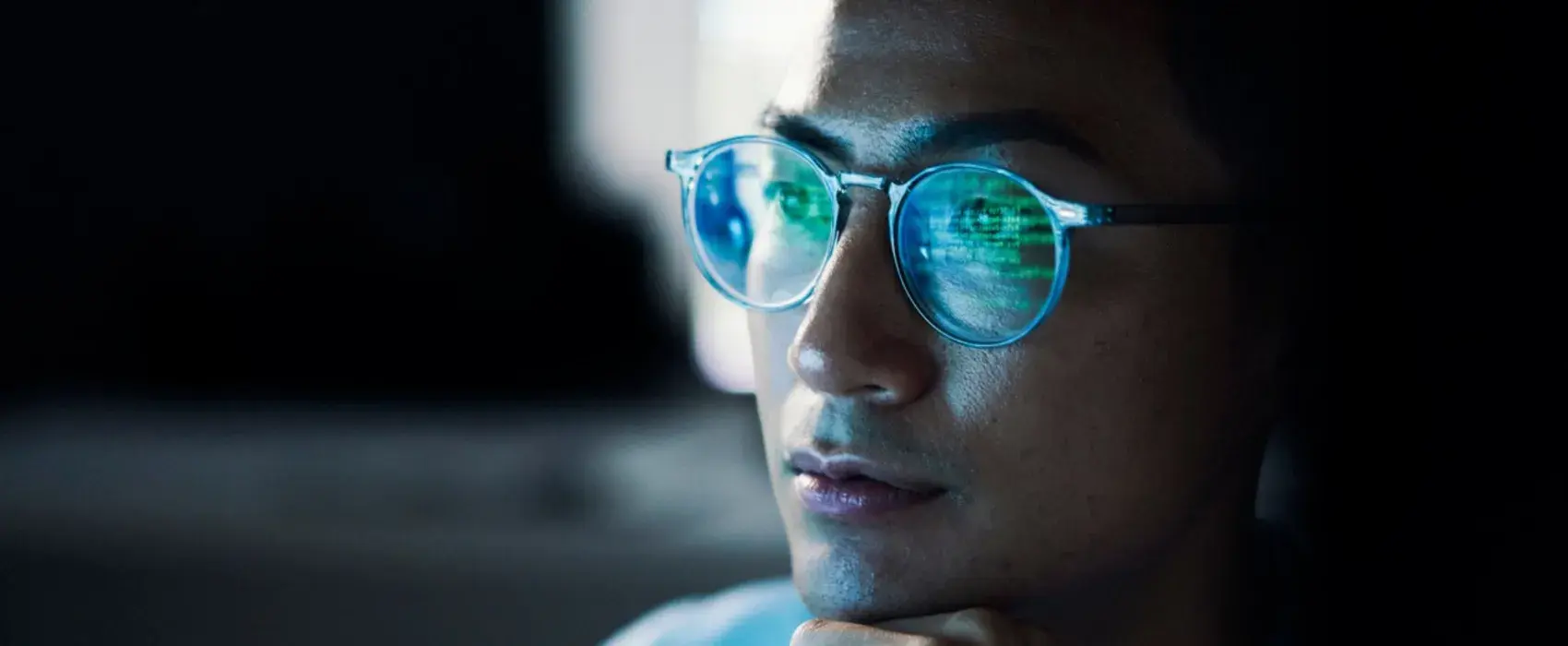
Many jobs involve spending long periods looking at screens, whether that's working on a computer, attending virtual meetings or checking emails throughout the day. Extended screen use doesn’t usually damage your eyesight, but it can contribute to digital eye strain, causing symptoms such as tired eyes, blurred vision and headaches. Because we tend to blink less when looking at screens, it can also lead to dryness and irritation.
Building regular breaks into your day can help reduce discomfort. Frequently looking away from your screen and focusing on something in the distance will give your eyes a chance to relax. Try the 20-20-20 rule, which involves looking at something 20 feet away for 20 seconds, every 20 minutes.
Not all workplace eye health risks are linked to desk-based work. If your job involves potential exposure to dust, debris, chemicals or other hazards, wearing appropriate eye protection and following workplace safety procedures can help reduce the risk of injury.
Protecting your eye health day to day
Outside of work, many of the habits that support overall health can also benefit your eye health:
- Maintaining a healthy lifestyle – Eating a balanced diet, staying physically active, getting enough sleep and not smoking can all play a role in maintaining healthy eyesight.
- Managing existing health conditions – Certain long-term health conditions such as diabetes and high blood pressure can increase the risk of eye problems developing, so it’s important to ensure these are managed effectively.
- Protecting your eyes outdoors – Exposure to ultraviolet (UV) rays can contribute to eye conditions over time, so wearing sunglasses that provide adequate UV protection can help reduce the risk of damage.
Don't ignore changes in your vision
Some eye conditions develop gradually, which means changes can be easy to miss. Symptoms that may suggest an issue include:
- Blurred or double vision
- Difficulty seeing at night
- Frequent headaches linked to visual tasks
- Increased sensitivity to light
- New floaters or flashes of light in your vision (floaters may appear as dots or specks, ring-shaped spots, thread-like strands or cobwebs)
- Persistent eye discomfort or redness
If you notice changes in your vision, it’s important to arrange an eye examination rather than assuming the problem will resolve on its own. Some symptoms require more urgent attention, including sudden vision loss, a sudden or significant increase in floaters, or a dark shadow moving across your vision.
Make eye tests part of your routine
Regular eye examinations can help identify changes in vision and, in some cases, detect signs of wider health conditions before other symptoms appear. Most adults should have their eyes checked every two years, but you may be recommended to have tests more frequently depending on factors like your age or whether you have an existing eye condition, a family history of glaucoma or an underlying health condition that could potentially affect your eyes (such as diabetes).
Keep your eye health on track
Our eyesight plays a role in almost everything we do, yet it's something many of us rarely think about until a problem develops. Taking simple steps to protect your eyes, staying alert to changes in your vision and making regular eye tests part of your routine can help you maintain healthy vision for years to come.
Related content
