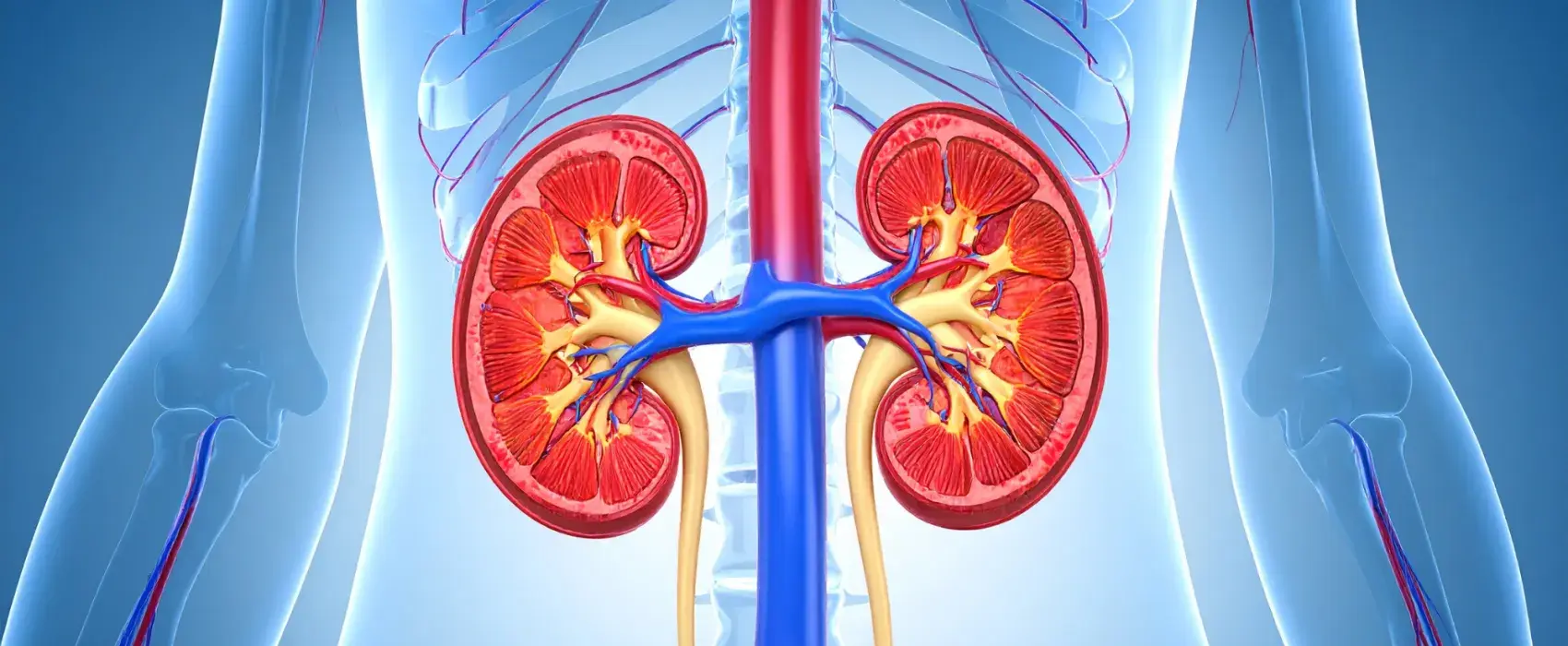
Kidney disease affects over seven million people in the UK and ranks as the 9th leading cause of death globally. Often called a silent disease, it can develop and progress without noticeable symptoms for years, making regular health check-ups and proactive testing essential to prevent long term kidney damage for those who are at increased risk. While kidney disease can worsen over time and, in severe cases, lead to kidney failure where transplant or dialysis is required, this outcome is relatively uncommon and many people with the condition are able to live long lives.
Your kidneys are vital organs that filter waste and excess fluids from your blood, regulate blood pressure and maintain essential balances of electrolytes in your body. Learn more about the vital role of kidneys below.
In its early stages, kidney disease often goes undetected because the kidneys are incredibly resilient, continuing to function effectively even when partially impaired – we have two after all! Most people with early kidney disease feel healthy and show no noticeable symptoms. It’s typically only as the condition advances that warning signs begin to appear, such as tiredness, swelling in the ankles, feet or hands, puffiness of the eyes/face, blood in your urine and shortness of breath. Kidney disease can also cause skin itchiness, sickness, loss of weight and pain in the lower back, side or abdomen. Kidney disease can be chronic (CKD/ Chronic Kidney Disease) but can also be acute injury (AKI) and happen after infection, severe dehydration, illness, reaction to medication or a kidney stone.
How Kidney Disease Is Diagnosed
In many cases, it is first discovered during routine blood or urine tests conducted for unrelated reasons. Two common diagnostic tests for kidney disease include:
- Blood Test (eGFR Test): This calculates your estimated glomerular filtration rate (eGFR) in line with your age and sex, which indicates how well your kidneys are filtering waste products. A lower eGFR is suggestive of reduced kidney function.
- Urine Test (Albumin-to-Creatinine Ratio): This compares albumin (a protein) and creatinine (a waste product from protein breakdown) levels, in effort to detect abnormal leaking of albumin into your urine when your kidneys are damaged. Elevated protein levels in the urine may be an early indicator of kidney disease.
These tests are simple but highly effective in identifying kidney problems before symptoms arise, making it possible to take preventive steps or begin treatment early.
Causes and Risk Factors for Kidney Disease
Kidney disease is often caused by underlying conditions that place excessive strain on the kidneys, and in many cases, it results from a combination of different factors. Some of the most common risk factors and causes include:
- High blood pressure: Over time, elevated blood pressure results in mechanical damage to specialised filtering cells, impairing their ability to function properly.
- Chronic inflammation or infection of the kidneys
- Diabetes: Excess glucose in the blood can harm the blood vessels and delicate filters in the kidneys, leading to long-term damage.
- High cholesterol: This can cause fatty deposits to build up in the blood vessels supplying the kidneys, reducing their efficiency and ability to function.
- Blockages in the flow of urine: Conditions such as recurrent kidney stones or an enlarged prostate can obstruct urine flow and increase back-pressure on the kidneys.
- Long-term use of certain medications: Regular, prolonged use of drugs like lithium or non-steroidal anti-inflammatory drugs (NSAIDs) can contribute to kidney damage over time.
Certain individuals are also at a higher risk of developing kidney disease, including:
- Those with a family history of advanced kidney disease or an inherited kidney condition.
- Individuals who are Black or of South Asian or Hispanic origin: the reasons for this are not well understood, but are likely to relate to complex genetic factors, as well as higher risk of developing diabetes and hypertension.
Tips to Protect Your Kidney Health
While there is currently no cure for kidney disease, early intervention and the right management can help alleviate symptoms and prevent the condition from worsening. Here are some practical proactive tips for maintaining healthy kidneys:
- Keep your blood pressure within a healthy range, ideally around 120/80mmHg and reliably below 140/90 mmHg. Managing blood pressure is one of the most important steps in protecting your kidneys.
- Limit your intake of salt and processed foods, which can contribute to high blood pressure. Instead, focus on a balanced diet rich in fresh fruits, vegetables, whole grains, lean proteins, and healthy fats to support kidney function and overall health.
- Drinking plenty of water helps to maintain hydration and blood supply to the kidneys, so that they can filter waste products effectively. However, be mindful of not overhydrating and consult your doctor if you have specific fluid restrictions due to existing kidney problems.
- Smokers are up to four times more likely to develop kidney failure. Quitting smoking will reduce your risk of kidney cancer, high blood pressure and damage to blood vessels, all of which can impact on your kidneys.
- Excessive alcohol intake over time is associated with elevated blood pressure, a major contributor to kidney damage. Stick to Chief Medical Officer recommended guidelines for alcohol consumption to minimise these risks.
- Regular exercise helps maintain a healthy weight, lowers blood pressure and reduces the risk of type 2 diabetes – all of which are vital for protecting your kidneys. Aim for at least 150 minutes of moderate exercise per week, such as brisk walking, cycling or swimming.
Related content