
Instead of seeing waste as something to throw away, what if we started looking at it as an opportunity? Much of what we call waste can actually be transformed into something useful, beautiful or even profitable. Recycling and reusing aren’t just about protecting the planet (though that’s a huge bonus); they’re also about being resourceful and creative.
Here are some practical and fun ways to turn everyday waste into valuable resources.
Start Small: Reduce, Reuse and Recycle
Before we get into the creative side of things, let’s cover the basics. If you’re not already recycling, now’s the time to start. Check your local council’s recycling guidelines to make sure you’re sorting your waste correctly clean plastics, glass, paper and metals can all have a second life. Recycling is one of the simplest ways to turn waste into opportunity, and it’s a habit that benefits everyone.
Food Waste: A Goldmine for Your Garden
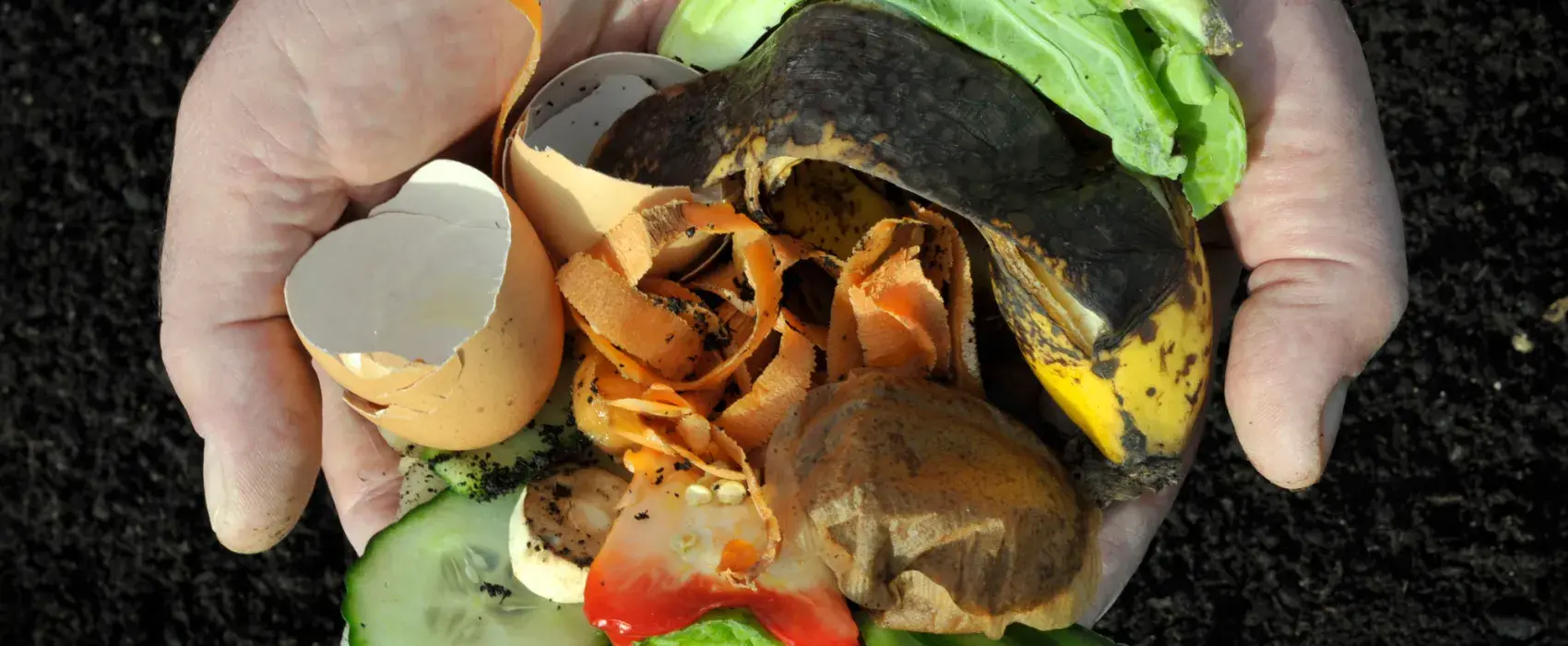
Instead of sending food scraps to landfill, you can turn them into nutrient-rich compost for your garden. If you don’t have a garden, composting can be done on a balcony or even indoors with the right setup.
How to start:
- Invest in a compost bin or create your own DIY version.
- Add fruit and vegetable scraps, eggshells, coffee grounds and any garden waste, like leaves and grass clippings.
- Avoid adding meat, dairy or oily foods to keep your compost clean and odour-free.
If composting isn’t an option, consider a food waste collection service – many councils now offer this as part of their waste management programmes.
Upcycling: Give Old Items a New Life
Upcycling is all about turning junk into something useful or beautiful. It’s creative, fun and great for reducing waste. Here are some ideas to get you started:
- Glass Jars: Clean out old jam jars or sauce bottles and use them as storage containers for pantry staples, craft supplies or even as pretty flower vases.
- Old Furniture: Sand down and repaint old chairs, tables or shelves to give them a fresh look. You’ll be amazed at how a coat of paint can transform a piece of furniture.
- Clothes and Textiles: Turn worn-out t-shirts into cleaning rags, or get crafty and sew them into tote bags or cushion covers.
Upcycling is a great way to save money and reduce the demand for new products. Plus, you’ll feel proud every time someone compliments your creations!
Electronics: Recycle and Repair
E-waste is one of the fastest-growing waste streams in the world, but it’s also packed with valuable materials like metals and plastics. Instead of letting old gadgets gather dust, consider these options:
- Is your phone or laptop acting up? Before replacing it, see if it can be repaired.
- If your device still works, donate it to a charity or sell it online. Someone else might have a use for it.
- Check with your local council or electronics store for e-waste recycling programmes. They’ll ensure your devices are properly dismantled and recycled.
Host a Swap Party
Sometimes, the best way to recycle is to pass things on to someone who needs them. Organise a swap event with friends, neighbours or colleagues to exchange items you no longer need. From clothes and books to kitchenware and toys, a swap party is a fun and social way to ensure unwanted items find a new home. Everyone goes home with something new (to them) without spending a penny, and perfectly good items are kept out of the bin.
Ultimately, embracing the idea that waste isn’t waste at all is a mindset shift. Most items that are thrown way have the potential to be reused, repurposed or recycled into something valuable. By thinking creatively and taking small steps, you can reduce your environmental impact while finding joy and purpose in giving your waste a second life.
Related content
