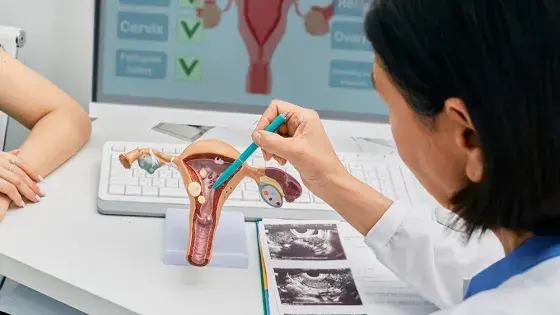
Cervical Cancer Awareness Month provides the perfect opportunity to discuss an important update to the NHS cervical screening programme in England. Announced by the NHS in June 2025, these changes will impact how often certain age groups are invited for routine cervical screenings (commonly known as smear tests). Here, we look at what this means for you and how it will affect your health checks.
What’s Changing?
The NHS cervical screening programme is being updated for individuals aged 25 to 49. Previously, those in this age group were invited for cervical screening every three years. However, under the new guidance, this will change to every five years if your routine screening shows no signs of HPV (human papillomavirus). This practice is already followed in Scotland and Wales.
If you’re aged 50 to 64, your screening interval will remain the same at every five years. Similarly, if your most recent screening shows HPV or any abnormal cell changes, you will still receive follow-up tests and care as needed, regardless of the new interval.
What Does This Mean for You?
If you’re aged 25 to 49 and your routine screening shows no HPV, you’ll now be invited for your next smear test in five years, rather than three. This reflects the latest scientific research, which shows that the risk of developing cervical cancer over a five-year period is very low if HPV is not present and that five-yearly screening is an equivalently safe and effective approach.
HPV is a very common virus that can cause changes to cervical cells, which, over time, may develop into cervical cancer if left untreated. However, if HPV is not detected during your screening, the chance of abnormal cell changes developing into cervical cancer within five years is very low. The extended interval between screenings is designed to ensure the programme remains effective, while also reducing unnecessary tests.
It’s important to note that the screening process itself is not changing. You will still be asked to attend for the same cervical screening test and your sample will be handled in line with practice in recent years: it is checked for HPV first, and only if HPV is detected will further testing be carried out to check for abnormal cells.
Why The Change?
The decision to extend the interval between screenings for certain groups is based on recommendations from the UK National Screening Committee. The change reflects advances in cervical screening methods, particularly the introduction of HPV primary screening, which is more effective at identifying those at risk of developing cervical cancer.
This modern approach means that even with longer screening intervals, the programme continues to be safe and effective at preventing cervical cancer. It also allows healthcare resources to be focused on those who are at higher risk, ensuring the right people receive the care and follow-up they need.
What Should You Do?
- Attend Your Screening when Invited: Cervical screening saves lives. If you’re due for a screening, make sure to book your appointment when you receive your invitation. It’s quick, simple, and can detect early signs of cervical cancer or HPV.
- Understand the Results: If your results show no HPV, you can feel reassured that you are at very low risk and your next screening will be in five years. If HPV is detected, your cells will be examined. You will either be invited for more frequent monitoring or an examination of your cervix at a clinic (colposcopy).
- Know the Symptoms: While cervical screening is an excellent tool for tackling cervical cancer, it’s also important to be aware of the symptoms and to seek medical advice if you notice anything unusual, such as abnormal bleeding, pain during or after sex or changes in vaginal discharge.
- Stay Informed: Keep up to date with changes to the screening programme and seek advice from a healthcare provider if you have questions.
If you’re ever unsure about your screening results, your next appointment or have any concerns about cervical health, you can contact your GP practice for advice.
Related content